
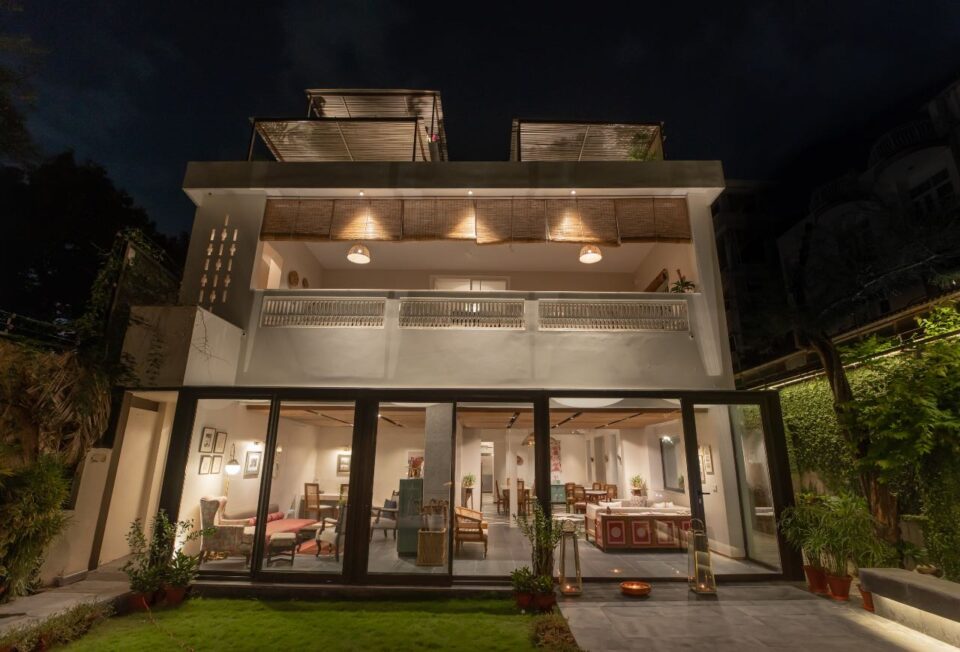
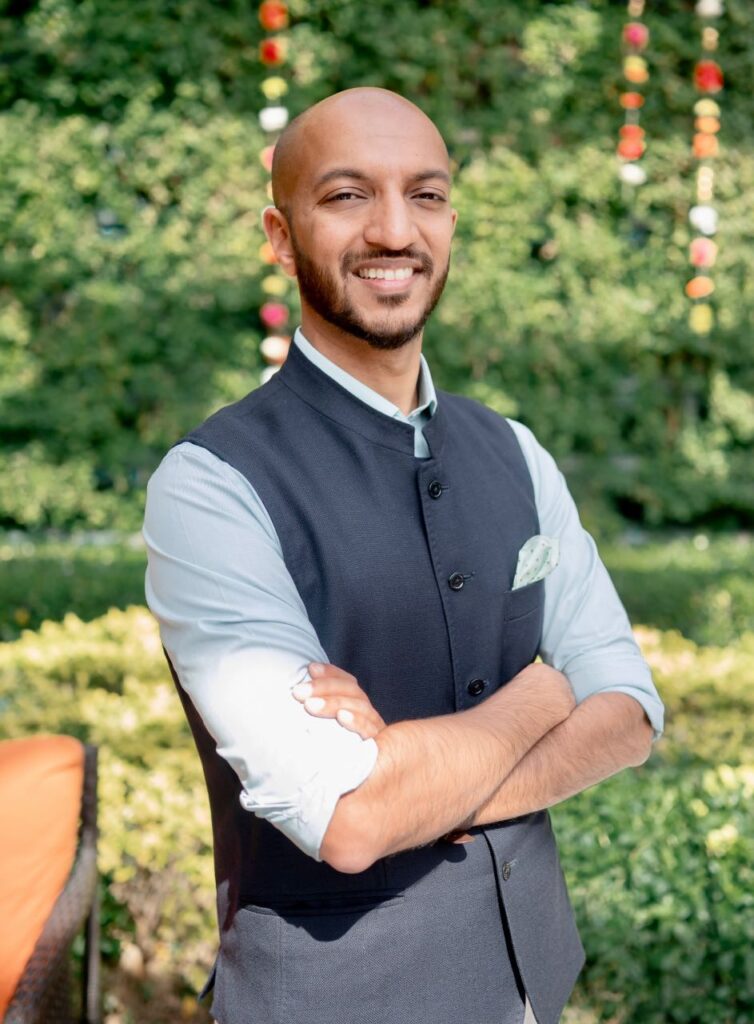
At Amrit Bhawan, the Ganges is not just the background; it is the way to slow down. Through a new set of experiences that take us beyond the rituals and into the realm of the ordinary, Varun Bajaj, the owner of the property, is redefining the way we experience Haridwar.
From village trips in the hills to the harvesting of roses along the river, the focus is on the intimate, not the itinerary.
Q. You have consistently positioned Amrit Bhawan as a slower, more residential stay. Was that intentional from the beginning?
A. Yes, very much so. From the very beginning, the idea was to create a space that felt like a home rather than a hotel. Haridwar is a very overwhelming place, especially for first-time visitors because of the scale and intensity of the activity in and around the ghats and the temples. What we felt was missing was a way of experiencing Haridwar in a way that was less overwhelming. This has influenced the design of the property as well as the experiences that we have created.
Q. Experiences which you provide are very different from what Haridwar typically offers. How have guests responded?
A. The response has been overwhelmingly positive. It is not just that guests enjoy diverse experiences, but there is a sense in which people are surprised by what they find. For example, the Garhwali village experience has been something that has evoked very strong reactions. It is very difficult to believe that just an hour and a half outside Haridwar, you can get to a place that is this remote and untouched and have this sense of connection to the snow peaks. Similarly, for example, with the rose experience, there is a sense in which there is rediscovery. Something as mundane as rosewater takes on a much greater depth. The role of the Ganges in all this is part of the discovery.
Q. Do you see these experiences changing how people engage with Haridwar?
A. I would hesitate to call them game changers because that implies a scale and immediacy that is not always realistic. But I do think they expand the lens through which Haridwar can be experienced. The city has always been perceived through one narrative, and it is obviously a very important one. However, it is not the only one. There is agriculture, there are forests, and there are local economies, and cultural practices, and so forth, aside from the obvious city. What all these experiences aim to do is to bring some of those not-so-obvious aspects to the fore. And by doing that, it creates the potential for a different kind of traveller, one who may not necessarily be travelling to this place for pilgrimage but something a bit more complex. And by doing that, it creates the potential to revisit the same place.
Q. What prompted the introduction of curated experiences at this stage?
A. Travel has been shifting toward more experiential journeys, where people want a deeper connection with the places they visit. In Haridwar, the dominant narrative has long been the pilgrim experience, which is often structured and time bound. While that remains important, it has meant that many other aspects of the region remain unexplored. Our curated experiences aim to open another dimension of Haridwar, allowing guests to engage more closely with its landscape, culture, and everyday life.
Over the past few years, we have been conducting walking experiences through Kankhal, Har Ki Pauri, and Chandi Devi, approaching these places through curiosity and storytelling. The newer experiences such as the Garhwali Village Visit and the Rose Plucking Experience are a natural extension of that philosophy, simply taking the exploration a little beyond the city.
Q. How do you see Amrit Bhawan contributing to the city’s tourism ecosystem?
A. The biggest effect is diversifying the appeal of Haridwar and its surrounding regions. When you look at the destination in one way, you only attract one kind of visitor. But if you add more ways of experiencing the city, you can expand that visitor base. There is also tremendous potential to encourage repeat visitors. The Ganges is already a place that people come back to, but how can you give them more reasons to return? If you add more layers to the city’s experience, whether it is by exploring the nearby villages, understanding the agricultural practices of the area, or engaging with everyday life in the region, all these things give them new reasons to come back.
Q. How have you engaged with local ecosystems to create a niche in the market?
A. What we are offering to our guests’ dependent on individuals, communities, farmers, villages, small-scale operators, who are not necessarily part of the tourism value chain. The first step is building trusted, long-term partnerships and ensuring a fair economic model so that everyone involved can sustain their participation. Growth then depends on steady visitor demand which allows the ecosystem to develop organically. Ultimately, the goal is not rapid scale but thoughtful growth that remains aligned with the community and the level of demand.
Q. What is your long-term positioning of the property?
A. From the beginning, Amrit Bhawan has been positioned as a leisure-focused, experience-led property rather than a traditional pilgrimage hotel. These initiatives build naturally on that vision, allowing guests to engage with the destination in a more layered and thoughtful way, while remaining aligned with our broader aim of presenting Haridwar beyond its conventional narrative. We want our guests to choose their own ‘lens’ for how they view and engage with the city.
Q. Beyond experiences, what operational upgrades are underway?
A. We have concentrated on small but significant improvements to the property. For example, we have extended and made our private Ganga ghat fully accessible. This improves usability for guests of different ages and abilities. We have upgraded our outdoor seating areas to make them comfortable across different seasons. So, we have installed heaters for winters and mist machines for summers. On the wellness side, we are in the process of adding a few Ayurvedic treatments to our existing offerings. We are also enhancing our food program, emphasizing local and seasonal flavours. The idea is to improve the guest experience in a way that is consistent with our core philosophy.