
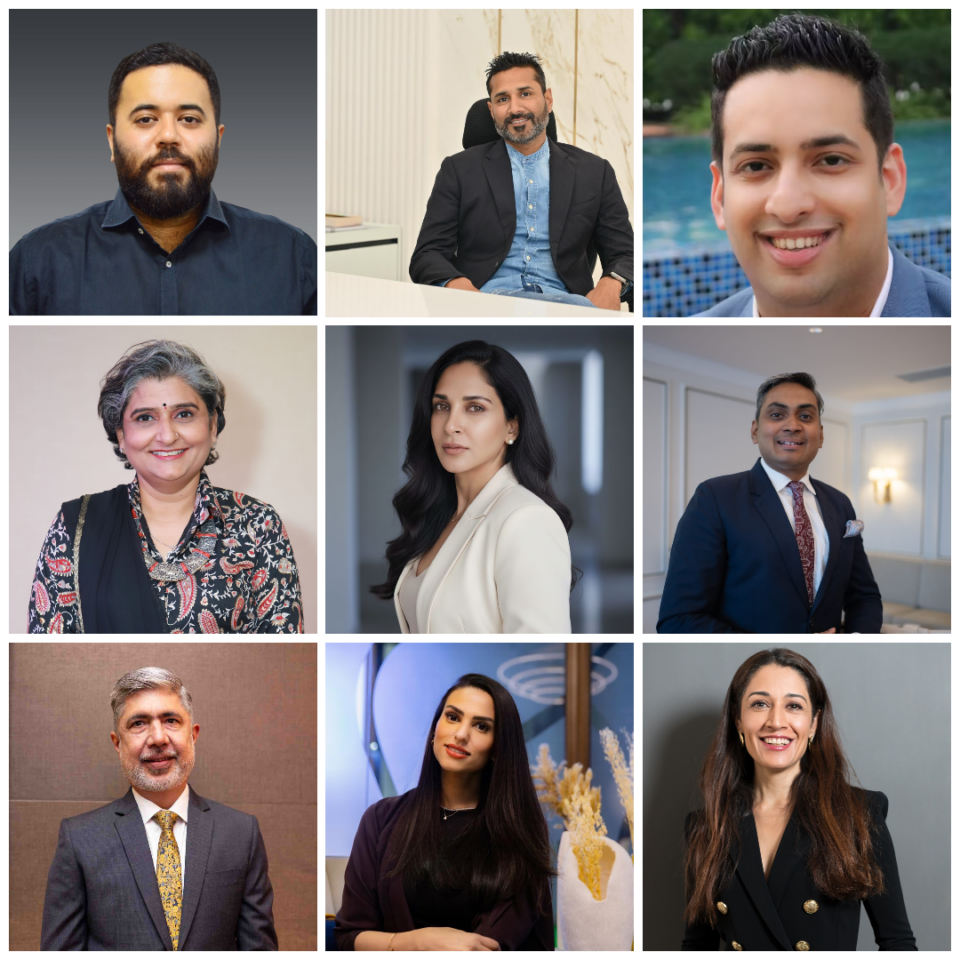
As 2025 draws to a close, it has become clear that Indian travellers are no longer driven by volume, novelty, or price alone. Across leisure, luxury, business, and experiential segments, the year revealed a decisive shift toward intention-led travel—where experience, personal relevance, sustainability, and emotional value outweigh scale or excess. For hospitality players, this evolution is no longer a trend to observe but a reality to respond to. From regenerative tourism and wellness-led escapes to hybrid stays and deeply local narratives, industry leaders share how 2025 reshaped traveller priorities, which behaviours are being overplayed or underestimated, and how hotel brands must recalibrate to remain relevant in 2026 and beyond.
Saurabh Chowdhury, General Manager, Le Meridien Navi Mumbai
“Indian Travelers are now extremely focused and decisive in their buying decisions and according to me we are now becoming a market that no longer has a tag of being a budgeted traveler, the mindset nowadays is pretty much focused around the need and wants of every traveler, ease of booking, strong word of mouth reviews and the credibility of the brand in the market. The tourism ecosystem is booming across all strata of travelers from budget to luxury mindset. The common link in both these mindset is the array of customized services that can be offered by any travel or hotel company.”
“Solo travel as a mass phenomenon is over-hyped. In India it remains an important segment however family travel still dominates the travel skyline. Sustainable convenience and extended-stay/b-leisure hybrid demand are under-estimated. Time-efficient, low-friction stays that combine work, wellbeing and local experiences. Corporate relocation, longer-stay executives and b-leisure travelers who extend business trips are quietly reshaping demand. Hotels who work on hybrid hospitality will win.”
“To stay relevant, hotel brands need to simplify and focus on what truly matters to today’s traveler. First, sustainability must be visible and believable. Guests should easily see what the hotel is doing. Le Meridien Navi Mumbai has many sustainable practices that can be experienced first-hand by consumers like cage free eggs, glass water bottles, energy efficient lighting, strategically poised EV charging stations and many more. Ease of booking via Marriott’s own website and Bonvoy app has been a success story for the brand. The consumers depending on their budget have an array of hotel options in every city they travel in India and the guarantee of a member rate discount which is symbolic to Marriott has given a new meaning to loyalty that is testimony to our success of bookings coming to us via our apps and websites. Our portals are intuitive and seamless which not only provides you ease of booking rooms but also club experiences that can be enjoyed during their stay from food and beverage offerings and customized travel itineraries within the city. Travelers want comfort, space, and local experiences when they extend business trips. Simple cultural touches, wellness options, and flexible pricing go a long way.”
Shradha Binani, Founder, Amaraanth Goa
“2025 clearly highlighted a shift in how Indian travellers define value in travel. The focus has moved beyond sightseeing and indulgence towards experiences that feel personal, restorative, and meaningful. Travellers are increasingly seeking privacy, wellness, and a sense of balance, gravitating towards quieter destinations that allow them to slow down. Thoughtful curation, comfort, and emotional well-being now matter as much as location or luxury, signalling a deeper desire for travel that rejuvenates rather than exhausts.”
“High-energy, checklist-driven travel continues to be over-hyped, particularly trips centred around packed itineraries and large-scale social experiences. While these still have an audience, they no longer represent the evolving mindset of today’s traveller. In contrast, slow-living and wellness-led travel remains under-estimated. This segment—focused on nature, personalised experiences, and mental well-being—is gaining relevance as travellers prioritise depth over volume, and long-term wellness over short-lived excitement.”
“Hotel brands need to move from standardisation to personalisation. Relevance today lies in creating intuitive, experience-led stays that adapt to individual guest needs. Collaborations with experts across wellness, food, design, and culture can help craft more meaningful journeys. Equally important is embracing nature-led environments and quieter destinations that support balance and restoration. Brands that focus on thoughtful details, emotional connection, and authentic experiences will be better positioned to resonate with the modern Indian traveller.”
Pawan Chahar, General Manager, Jim Corbett Marriott Resort & Spa
“2025 highlighted a clear shift in Indian travellers’ priorities towards meaningful experiences, wellness, and a stronger connection with nature. Travellers are moving away from rushed itineraries and instead choosing destinations that allow them to slow down, reset, and engage more intentionally with their surroundings. Comfort, authenticity, and emotional well-being have become central to how travellers evaluate a holiday.”
“While high-frequency travel continues to dominate conversations, an under-estimated segment gaining relevance is the experience-led domestic traveller seeking premium, nature-centric escapes. This segment values privacy, thoughtful luxury, and a strong sense of place over volume-driven travel. As travellers become more discerning, destinations that offer immersive and meaningful stays will see increased demand.”
“Hotel brands must focus on crafting holistic journeys rather than transactional stays. At Jim Corbett Marriott Resort & Spa, the emphasis is on integrating wellness, local culture, and personalised experiences so that the stay itself becomes the destination. Brands that prioritise nature-led design, intuitive service, and authentic regional storytelling will be best positioned to remain relevant.”
Rajneesh Kumar, General Manager, Novotel Kolkata Hotel & Residences
“2025 clearly highlighted that the Indian traveller is far more conscious, experience-driven, and value-focused than ever before. There is a strong shift towards sustainable hospitality, authentic local experiences, and personalised service rather than just luxury. Travellers are also prioritising flexibility, wellness, and trust in brands that demonstrate responsibility and consistency. These evolving expectations are no longer optional for the industry—they are essential to building long-term relevance and loyalty.”
“Rather than calling any segment over-hyped, the Indian travel market continues to evolve, with each segment performing at different cycles. Looking ahead to 2026, sports tourism and medical tourism remain relatively under-estimated and are set to gain stronger relevance with increasing events, improved infrastructure, and global demand. At the same time, weddings continue to be an evergreen segment, consistently driving volume, revenue, and experiential value across destinations.”
“To stay relevant, hotel brands must recalibrate their strategies by placing the guest at the centre of every decision. This means moving beyond one-size-fits-all offerings to more personalised, flexible, and experience-led stays, while embedding sustainability into daily operations—not just as a message, but as a practice. Investing in people, technology, and local partnerships will be key to delivering consistent value, building trust, and remaining relevant in an increasingly conscious and competitive market.”
Mita Vohra, Board Director, Sarova Hotels & Resorts, Kenya
“2025 clearly showed that the Indian traveller is travelling with greater confidence, curiosity, and intention. For Sarova, it has been our strongest year yet from the Indian market, and in fact across most of our key markets. Indian travellers are no longer driven only by price or familiarity—they are seeking meaningful experiences, quality service, and destinations that feel authentic. Ease of access also plays a critical role. Improved air connectivity directly influences destination choice, and as a wish list, we would certainly like to see Air India resume direct services from India, which would further support travel to East Africa.”
“Trends are often labelled too quickly, but what is sometimes overhyped is the idea that every traveller wants constant novelty. Many still value comfort, familiarity, and a sense of place. What remains underestimated is the growing segment that seeks balance—new experiences without losing reassurance. As a Kenyan brand, we are seeing more varied traveller profiles visiting Sub-Saharan Africa, and travel across East Africa is reaching new heights.”
“Building unique experiences is what truly sets a brand apart. At Sarova, we are investing significant energy into creating new experiences while upgrading our products—ensuring there is enough to excite younger travellers, while still respecting those who prefer subtle evolution over constant change. Ultimately, it will always come back to the customer. Listening, adapting, and delivering with authenticity is what will sustain relevance in the years ahead.
Geeta Maheshwari, Owner, Hospitality and Marketing Services
“2025 clearly showed that Indian travellers now prioritise experience, authenticity, and value over mere luxury. They seek meaningful stays: local culture, personalised service, wellness, and flexibility, rather than standardised offerings. Luxury travel is somewhat over-hyped, often at the cost of substance. Meanwhile, boutique, mid-scale, and experience-led properties are under-estimated and will gain significant relevance in 2026 due to their adaptability and strong emotional connect with travellers.”
“Hotel brands must shift from selling rooms to curating experiences. This means investing in storytelling, staff training, digital engagement, and partnerships with local communities—while maintaining agility in pricing and service delivery.”
Rohit Arora, Vice President – Development (Goa & Patiala Operations) & Head of Leisure Sales & Institutional Relations, ASPHL
“2025 marked a clear shift from destination-led travel to experience- and identity-led travel. Indian travellers are increasingly choosing hotels that reflect their values: design consciousness, cultural authenticity, and emotional resonance. Luxury is no longer defined by scale or excess, but by individuality, privacy, and depth of experience. At ASPHL, hotels with a clear identity, strong design language, and rooted local narratives demonstrated stronger pricing power and healthier RevPAR, even at lower inventories. When positioned right, fewer rooms delivered higher yield per key and more consistent demand. The modern Indian traveller is also more decisive. They know what they want, they book faster, and they are far less forgiving of generic experiences. They are seeking stories, meanings—spaces that feel personal, rooted, and memorable.”
“Scale-driven luxury and large-format hotels continue to dominate conversations, but volume-led growth is increasingly over-hyped. On paper, it looks strong. In reality, it often comes with heavy discounts and thinner margins. Properties built only for visual appeal without operational depth will never stand the test of time. The under-estimated opportunity lies in curated, experiential, and differentiated hospitality. In 2026, travellers will gravitate towards intimate formats such as heritage palaces, boutique hotels, villas, and lifestyle-led urban hotels that deliver privacy, character, and flexibility. This will also be coupled with travellers taking slow, intentional breaks, and choosing depth over destinations—showing higher lifetime value through repeat visits and longer emotional engagement. For us at ASPHL, The Lotus Palace Chettinad and Ran Baas, The Palace in Patiala particularly exemplify this shift, while Zone by The Park reflects the growing demand for smart, efficient hospitality and travellers’ increasing appetite for networking. 2026 belongs to brands that understand nuance and purpose, delivering fewer but more meaningful journeys rather than chasing scale alone.”
“Hotel brands need to pivot from occupancy maximisation to yield optimisation. The focus has to move towards pricing power, channel mix, and per-guest revenue, not just heads in beds. This means sharper segmentation, disciplined rate integrity, and fewer blanket discounts. Sales strategies must prioritise direct bookings, repeat customers, and premium experiences that drive higher ARRs and ancillary revenue. From a portfolio perspective, brands need to back assets and formats that deliver strong RevPAR growth, faster break-even, and better return on capital employed. Relevance in this cycle will be defined by profitability per key, not just scale. At ASPHL, each of our brands—THE Park Hotels, THE Park Collection, Zone by The Park, and Zone Connect by The Park—addresses a distinct traveller mindset, with clarity of purpose and deep localisation, driving both commercial performance and lasting emotional connections.”
Radhey Tawar, Chief Commercial Officer, Cinnamon Hotels & Resorts
“There is a growing preference for destinations that can deliver multiple experiences within a single journey—wellness, nature, culture, and cuisine—without long-haul fatigue. Sri Lanka fits squarely into this evolving mindset. Travellers are increasingly seeking ease of access, safety, and familiarity, paired with experiences that still feel distinctive. For Indian travellers, Sri Lanka offers international sophistication with cultural resonance. At the same time, luxury is being redefined. It is no longer about scale or opulence alone, but about privacy, space, thoughtful design, and meaningful engagement. From immersive resort experiences across the island to integrated lifestyle developments like Cinnamon Life at City of Dreams Sri Lanka, 2025 reinforced that Indian travellers want destinations that allow them to do more, feel more, and slow down—all within a single trip.”
“Over the past few years, trend-driven travel motivated by social media visibility has received disproportionate attention. While it generates immediate demand, it often lacks depth, loyalty, and long-term destination value. What is under-estimated—and will gain strong relevance in 2026—is the experience-conscious Indian traveller seeking layered journeys rather than isolated moments. This includes multi-generational families, celebratory travellers, and repeat international travellers who are now prioritising proximity, comfort, and purpose. Sri Lanka is uniquely positioned in this context, with its ability to offer beaches, wildlife, wellness, heritage, and urban sophistication within short travel distances. Cinnamon Resorts across Sri Lanka serve travellers seeking immersion, retreat, adventure, and discovery.”
“Hotel brands must evolve from being accommodation providers to architects of holistic destination experiences. This requires a sharper focus on curation, storytelling, and seamless integration across touchpoints—both service and technology. For relevance, brands should design multi-dimensional journeys, ensure operational teams are trained as destination experts and stewards, and embed wellness, sustainability, and local authenticity into the core brand story.”
Richa Adhia, Managing Director, Eight Continents Hotels & Resorts
“2025 underscored a decisive shift in Indian traveller priorities from volume-driven travel to value-led and experience-first journeys. Amid global economic uncertainty and geopolitical disruptions impacting inbound and outbound travel, Indian travellers demonstrated resilience through sustained domestic leisure demand. There was a clear preference for shorter-haul, purpose-driven trips, with greater emphasis on wellness, privacy, authenticity, and meaningful experiences rather than traditional sightseeing. The year also highlighted the growing importance of reliability, safety, and quality of service, as travellers became more selective and intentional in their choices.”
“Mass international leisure travel and large-format group travel are currently over-hyped, particularly given the uneven recovery of global travel, reduced airline capacity, and continued volatility in key source markets. In contrast, domestic leisure travel—especially experiential, resort-led, and luxury leisure—remains under-estimated and is poised to gain significant relevance in 2026. Additionally, Gen Z and younger millennials are emerging as a powerful yet often under-appreciated segment, driving demand for immersive, design-forward, and lifestyle-led hospitality experiences.”
“Hotel brands must realign to a demand-led, domestic-first strategy with a sharp focus on leisure travel and high-potential regional markets. The emphasis must move toward experiential hospitality, wellness-led stays, and a refined definition of luxury that prioritises personalization, authenticity, and emotional connection. This evolution is especially important to engage Gen Z and younger travellers, who seek purpose-driven, visually compelling, and experience-rich stays rather than conventional luxury. Experience-led differentiation will define relevance. At Eight Continents, experiences sit at the core of hospitality—at Treetop by Eight Continents – Astroport Sariska, astronomy is seamlessly integrated into the stay itself. Strengthening regional connectivity, expanding experiential portfolios, and maintaining agility will be critical as the market moves toward 2026.”
Somesh Agarwal, Managing Director & Chairman, Blu Palace Resort & Spa, Udaipur
“In 2025, Indian travellers showed a clear preference for destinations that offer luxury with depth and personalization, rather than one-dimensional stays. There is growing demand for destinations that can cater to couples, families, and multi-generational groups simultaneously. Udaipur has emerged as a natural choice, offering romance, heritage, and leisure in equal measure. Travellers are seeking experiences where different needs—relaxation, celebration, wellness, and family time—can coexist seamlessly within one destination.”
“Single-purpose travel, whether limited to sightseeing or short, transactional stays, is increasingly over-hyped. What remains under-estimated and will gain stronger relevance in 2026 is holistic leisure travel that combines luxury, experiences, and flexibility. Multi-generational family travel and intimate celebrations such as destination weddings, anniversaries, and curated getaways are driving this shift, with travellers choosing destinations that allow everyone to engage meaningfully in their own way.”
“Hotel brands must evolve into experience hubs rather than just places to stay. At Radisson Blu Udaipur, this means addressing diverse guest expectations under one roof—from luxury accommodations and personalised service to wellness experiences, curated dining, and family-friendly offerings. While couples unwind at the spa or enjoy curated dining, families engage in multiple activities, with dedicated spaces such as kids’ arcades ensuring every age group feels included. The ability to seamlessly host destination weddings, staycations, leisure holidays, and family getaways makes the property a truly wholesome destination. Brands that deliver such multi-layered, personalised experiences will remain relevant.”
Akaal Singh Manchanda, Founder & Director, Zuper Hotels & Resorts
“2025 revealed a clear shift in the Indian traveller’s mindset: experiences now matter more than excess, value more than discounts, and convenience more than scale. Short, frequent getaways, personalised service, open spaces, wellness, and privacy have become core expectations rather than luxuries. Digitally savvy travellers still seek quick human reassurance, read reviews critically, and increasingly prefer responsible, sustainable choices. The message for the industry is unmistakable—today’s Indian traveller is intentional, informed, and experience-driven.”
“While social media reach and trend-led content play an important role, 2025 showed that awareness does not automatically translate into loyalty or repeat business without strong on-ground delivery and value. Conversely, an under-estimated segment likely to gain relevance in 2026 is the quiet, experience-driven domestic traveller—families, couples, small corporate groups, and repeat guests who prioritise comfort, nature, personalisation, and reliability over hype. This segment may not always be the loudest online, but it drives consistent occupancy, longer relationships, and word-of-mouth credibility.”
“To stay relevant, hotel brands must recalibrate from being visibility-led to value- and experience-led. This means focusing on service quality, personalisation, transparent offerings, and designs that support short, frequent stays. Seamless digital journeys backed by quick human support, along with genuine wellness, nature, and sustainability elements, should be part of the core product. Above all, building trust and repeat relationships will matter more than momentary attention.”
Akshay Gupta , Executive Director, Tivoli Hospitality Group
s India’s hospitality industry looks towards 2026, traveller preferences are undergoing a clear shift—from standardised stays to experiences rooted in culture, authenticity, and purpose. Heritage hospitality is increasingly emerging as a strong pillar of this transformation. Today’s travellers are seeking more than comfort; they want meaningful connections with destinations. Heritage properties—palaces, havelis, colonial homes, and legacy structures—offer immersive experiences that blend history, local traditions, regional cuisine, and personalised service. What was once seen as niche is now becoming mainstream.
Domestic tourism continues to drive growth, with travellers exploring destinations beyond metros and popular circuits. Improved infrastructure and rising disposable incomes have brought renewed interest in tier-II and tier-III locations, many of which are home to India’s rich architectural and cultural legacy. Heritage hotels in these regions offer a compelling alternative to conventional hospitality.
Sustainability is another key factor shaping Hospitality Outlook 2026. Heritage hospitality naturally supports responsible tourism through adaptive reuse of existing structures, preservation of traditional craftsmanship, and engagement with local communities. These practices align closely with the expectations of environmentally and socially conscious travellers. Technology is complementing this evolution by enhancing storytelling, guest engagement, and service personalisation—allowing heritage brands to stay relevant while retaining their core identity.
As India strengthens its position on the global tourism map, heritage hospitality stands out as a uniquely Indian advantage. By 2026, it is set to play a defining role in shaping experiences that are authentic, sustainable, and deeply memorable.