
From the financial energy of Mumbai to the heritage depth of Ajanta and Ellora, and from the Konkan coastline to the forests of Vidarbha, Maharashtra is positioning itself at the centre of India’s tourism growth story.
Backed by policy momentum, infrastructure expansion and evolving traveller preferences, the state is now aiming to transform itself into one of India’s top three tourism destinations over the next five years.
At the core of this ambition is a clear strategic vision. As articulated by Sanjay Khandare, Principal Secretary, Tourism Department, Government of Maharashtra, the state is not just chasing tourist numbers but is focused on converting visitors into meaningful tourism consumption. Maharashtra already leads in international arrivals, but the emphasis now is on deepening engagement, increasing spend and expanding experiences.
The Maharashtra Tourism Policy 2024 lays out a bold roadmap: attract Rs. 1 lakh crore in private investment and create 18 lakh jobs by 2034. Over the next five years, the focus is on building resilient infrastructure aligned with the state’s broader ambition of becoming a US$1 trillion economy.
From seasonal to all-season tourism
One of the most significant shifts in Maharashtra’s tourism strategy is the move away from seasonal travel patterns. Instead, the state is developing “All-Season Circuits” designed to distribute tourist flows throughout the year and across regions.
Fifty specialized tourism hubs are being developed to ensure that economic benefits reach every corner of the state, from coastal Konkan to inland Vidarbha. These hubs are built around eight thematic pillars:
Forts and Heritage
Flora and Fauna
Coastal and Inland Aqua Tourism
Experiential Travel
Growth Hubs and MICE
Island Tourism
Religious and Spiritual Tourism
Global Destinations
Complementing these themes are five major tourism circuits including Mumbai, Konkan, Pune–Satara, Nashik–Chhatrapati Sambhajinagar–Ahilyanagar, and Nagpur–Chandrapur–Gadchiroli. Together, they form a comprehensive framework aimed at balanced regional development.
Heritage as a global calling card
Maharashtra’s cultural wealth is one of its strongest assets. The state is home to over 850 rock-cut caves, the highest in India, along with an extensive network of historic forts.
Sites like Ajanta and Ellora are being repositioned as high-value cultural tourism anchors through curated global engagements. The state has hosted familiarisation tours for over 100 foreign tour operators and influencers along with exclusive diplomatic events attended by ambassadors and consuls.
The recent UNESCO recognition of the Maratha Military Landscapes comprising 12 historic forts, further strengthens Maharashtra’s global heritage appeal. The government is now investing in digital enablement, immersive storytelling, and AR/VR experiences to elevate visitor engagement. The broader goal is clear: position Maharashtra as the “Heritage Capital of India.”
Mumbai and the rise of MICE tourism
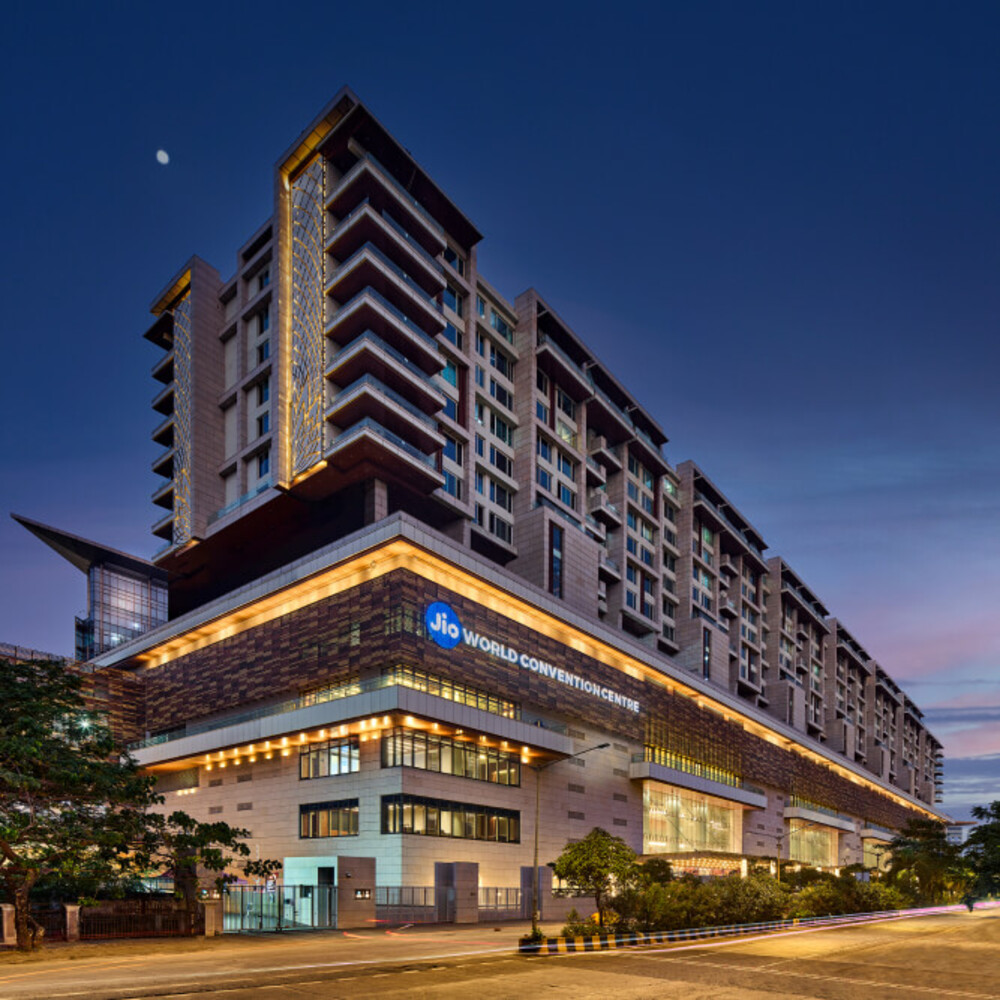
As India’s financial capital, Mumbai already hosts major global events. Maharashtra is now formalising its position in the Meetings, Incentives, Conferences and Exhibitions (MICE) segment. The state has become the first in India to establish a dedicated Convention Bureau, signalling its intent to compete globally. World-class infrastructure such as the Jio World Convention Centre, along with venues like NESCO and CIDCO provide a strong foundation to Maharashtra’s MICE ambitions. The Bureau was introduced at IMEX Frankfurt, which is one of the world’s largest and most influential tradeshows of the MICE industry.
Based out of India’s financial capital Mumbai, Maharashtra Convention Bureau (MCB) serves as a catalyst to attract and facilitate international events, building upon the state’s global reputation as a business and tourism hotspot. This initiative reflects the key focus of the Maharashtra Tourism Policy 2024, highlighting the growing importance of MICE tourism, and aims to accelerate the growing visitor economy across the state.
The strategy extends beyond Mumbai to cities such as Pune, Nagpur, Nashik and Chhatrapati Sambhajinagar, where new MICE infrastructure is being planned. With strong connectivity and urban ecosystems, Maharashtra aims to emerge as a leading MICE destination in Asia.
Record growth and expanding markets
Tourism in Maharashtra has entered a phase of rapid expansion. Domestic tourist visits surged from approximately 11 crore in 2022 to nearly 19 crore in 2024. International arrivals more than doubled during the same period, reaching over 37 lakh. The state is now targeting key inbound markets including France, Germany, the UK, Canada, Japan, South Korea, Russia, Sri Lanka, China and Central Asia. The approach is focused on targeted marketing campaigns aligned with specific demographics and interests, ranging from heritage and culture to nature and experiential travel.
Infrastructure: The game changer
Connectivity is at the heart of Maharashtra’s tourism push. Major infrastructure projects are reshaping accessibility across the state.
The Mumbai Metro expansion, the Atal Setu (Mumbai Trans Harbour Link) and the Samruddhi Mahamarg connecting Mumbai to Nagpur are significantly reducing travel time and improving regional integration.
The upcoming Navi Mumbai International Airport is expected to be a major catalyst, easing congestion and enhancing global connectivity. Meanwhile, airports in tier-2 cities such as Nashik, Nagpur, Shirdi, Sindhudurg and Solapur are opening up new tourism corridors. Together, these developments are expected to drive a substantial increase in tourist flows in the coming years.
Targeting high-value tourism
Maharashtra is consciously shifting from volume-driven tourism to value-driven tourism. The focus is on attracting high-spending travellers through niche offerings such as:
UNESCO heritage experiences
MICE tourism
Wildlife and eco-tourism
Wine tourism in Nashik
Coastal and scuba tourism in Tarkarli
The development of Blue Flag beaches and institutions like the Indian Institute of Scuba Diving and Aquatic Sports are part of this strategy. Additionally, concepts like slow travel and longer stays are being actively promoted.
The Blue Economy and new-age projects
The state is also investing in innovative tourism projects under the Blue Economy framework. The proposed Viksit Bharat Mumbai Marina aims to open Maharashtra’s 878-km coastline to luxury yachting and cruise tourism.
One of the most unique projects in the pipeline is the transformation of the decommissioned naval ship INS Guldar into India’s first underwater museum and artificial coral reef near Sindhudurg. This initiative blends tourism with marine conservation and experiential travel. Simultaneously, immersive museums and digital experiences near heritage sites are being developed to attract modern travellers.
Sustainability at the core
Sustainability is a central pillar of Maharashtra’s tourism strategy. In 44 eco-sensitive zones, the state is implementing a “Low-Impact, High-Value” model that prioritises conservation over mass tourism.
Key initiatives include:
Enforcing carrying capacity limits in destinations like Mahabaleshwar and Matheran
Mandatory zero single-use plastic policies
100 percent wastewater recycling
Promotion of electric mobility for last-mile connectivity
Equally important is the focus on community participation. Through homestays, tribal tourism, and village-based models, up to 70 percent of tourism revenue is retained within local communities, ensuring inclusive growth.
Events driving the new tourism economy
A major emerging trend is the rise of event-led tourism. Maharashtra is rapidly becoming a hub for concerts, sports events, and cultural festivals, which are significantly boosting travel demand. During the 2023 Cricket World Cup, nights stayed increased by 50 percent, while major concerts like Coldplay in Mumbai drove a 100 percent rise in bookings and a 170 percent surge in guest arrivals.
Festivals such as Lollapalooza India are seeing exponential growth, with bookings increasing over 50 times year-on-year. Younger travellers, in particular, are driving this trend, often spending a significant portion of their income on event-based travel. This shift is creating a multiplier effect, with spending extending beyond tickets to accommodation, transport, and local experiences.
“Events are increasingly shaping how people travel, and Maharashtra is already seeing how this translates into longer stays and more local economic activity,” said Amanpreet Bajaj, Country Head – India and Southeast Asia, Airbnb. “As the state continues to attract large-scale events, ensuring there is enough flexible accommodation will be key to supporting visitor demand while allowing more communities to participate in and benefit from tourism growth.”
“India’s experiential travel economy is expanding rapidly, and destinations like Maharashtra that have the scale, connectivity and event pipeline to anchor India’s event economy will lead the next phase of tourism growth. Maharashtra is uniquely equipped to capitalize on this expanding opportunity,” said Rahul Sharma, Managing Director – India, U.S.-India Business Council at a joint roundtable with Airbnb and MITRA on Maharashtra’s role in India’s emerging multi-billion event economy.
Adventure Tourism: The next frontier
Adventure tourism is emerging as a key growth segment. With the implementation of the Adventure Tourism Policy, Maharashtra has created a structured ecosystem for safe and regulated activities.
From paragliding and scuba diving to trekking and mountaineering, the sector is witnessing strong interest. Over 800 applications have been received for adventure tourism activities, with more than 690 operators already certified. Strict safety protocols, mandatory certifications, and regulatory oversight ensure that growth is balanced with responsibility.
Shambhuraj Desai, Minister of Tourism, Government of Maharashtra said, “As the tourism sector is growing, we are committed to taking adventure tourism in the state to a global level. This Adventure Tourism Policy is not only for attracting more and more tourists, but it will also provide employment opportunities for the youth of our state. This policy is promoting safe tourism, and the growing scope of adventure tourism is giving a new direction to tourism in our state.”
B. N. Patil, Director, Directorate of Tourism, Government of Maharashtra added, “Adventure tourism is not just about recreation for visitors; it is also about its contribution to the economic development of the state’s tourism sector. Special attention is being given to infrastructure development and tourism safety in adventure tourism sites. Under this policy, importance is given to preserving natural heritage in promoting tourism as well. Adventure tourism centres have been developed in many places in the state, creating more employment opportunities for the people in those areas.”
Cultural Focus
Rural tourism is also gaining momentum, with initiatives like the Koyna Daulat Dongri Festival showcasing the state’s cultural richness. The festival was recently organised by Maharashtra Tourism in collaboration with the District Administration, Satara and the Regional Tourism Directorate, Pune to promote tourism in Satara District. It witnessed high participation for consecutive days. The festival celebrated the rich cultural heritage, tourism opportunities, and community spirit in the picturesque Sahyadri mountain range.
Deputy Chief Minister of Maharashtra, Eknath Shinde said, “Our government is determined to ensure national and international recognition for Satara district and to make it an attractive destination for tourists, along with providing employment avenues for local youth in their own area. Inspired by the popularity of the Koyna Daulat Dongri festival, we plan to launch the Koyna Backwater Festival in December-January and aim to bring it up to global standards. The Minister of Tourism and the Department of Tourism have taken major steps in promoting rural tourism, and we have chalked out a strategic plan to ensure that Maharashtra is the best destination state of the nation when it comes to tourism.”
The 2026 edition of the festival attracted over 1.5 lakh visitors, blending cultural performances, adventure activities, agricultural exhibitions, and local crafts. Events like these not only promote tourism but also generate livelihood opportunities and preserve traditional art forms.
The state is now looking to scale such initiatives including plans for the Koyna Backwater Festival, to global standards.
The road ahead
Maharashtra’s tourism strategy is both expansive and deeply structured. It combines infrastructure, policy, sustainability, and experiential offerings into a cohesive growth narrative. From heritage and coastal tourism to MICE, events, and adventure, the state is building a diversified tourism portfolio that caters to evolving traveller expectations.
As India’s travel landscape undergoes a transformation, Maharashtra is positioning itself not just as a destination, but as a complete tourism ecosystem, one that is inclusive, sustainable, and globally competitive.