
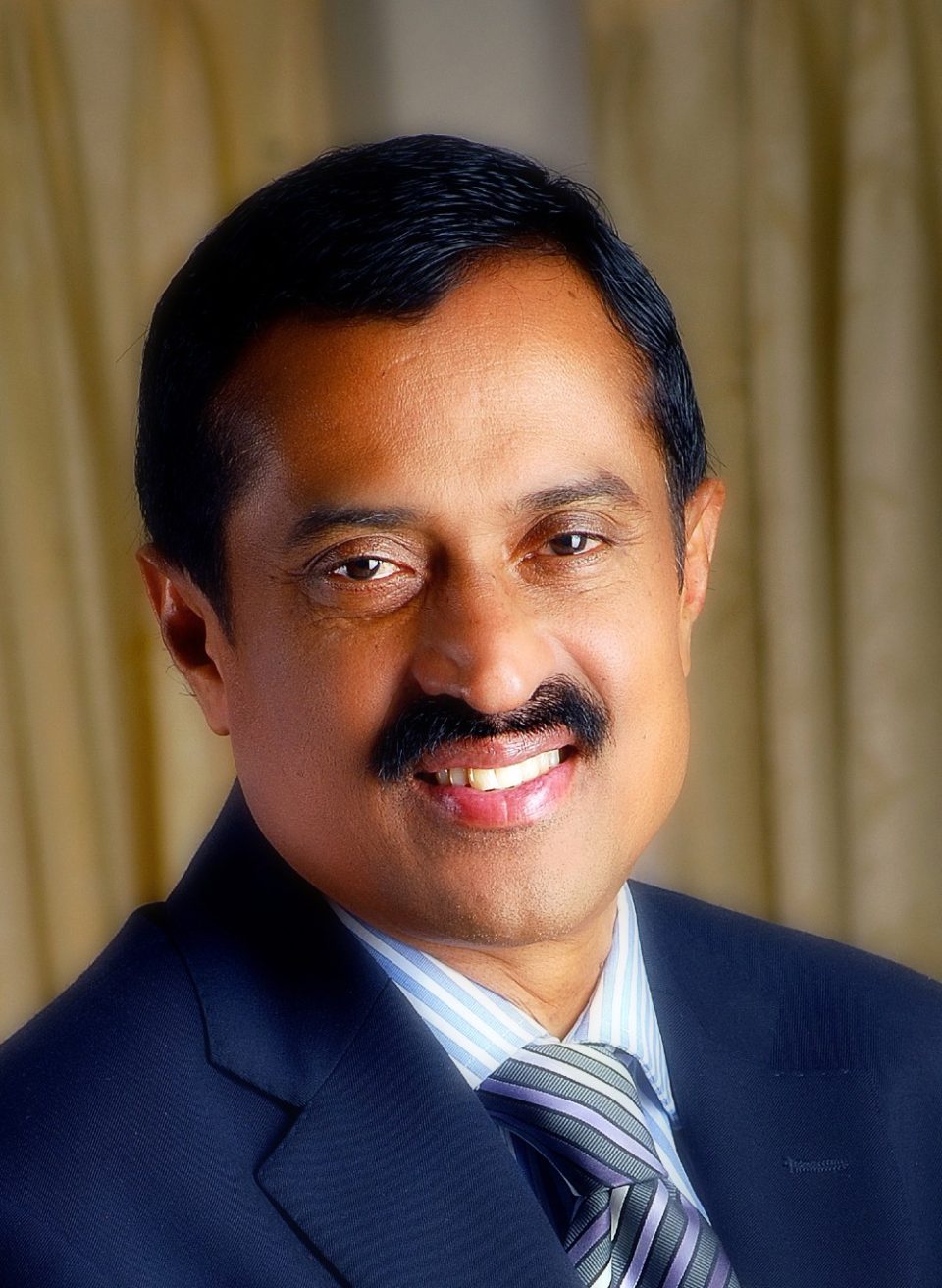
Najeeb: Relook mandatory quarantine rule
The Confederation of Kerala Tourism Industry (CKTI) has called on the state government to take immediate steps to reopen the tourism sector.
The tourism industry in Kerala has been completely closed for the past six months due to the nationwide lockdown and global travel restrictions in the wake of the Covid-19 pandemic.
As per a press release issued on the behalf of the confederation, central and state governments should be prepared to take wartime measures to rescue the sector from the more damaging situation and intervene to restart the regular business with adequate safety and health control measures in place.
CKTI President, E. M. Najeeb highlighted that Kerala’s neighbouring states of Karnataka, Tamil Nadu, Goa and Maharashtra have opened for tourism activities.
More than 15 lakh people directly and 20 lakh people indirectly are working in the tourism sector of Kerala. Tourism is the highest income-earning sector of Kerala with revenue of more than 45,000 crore. The sector contributed around 12% to the state’s GDP in 2019. More than 20,000 local investors and entrepreneurs are working in this sector with the support of bank loans and other financial institutions’ support.
Najeeb also praised the state government for announcing financial assistance for the tourism market and allowing the reopening of bars. He expressed confidence of a strong comeback for tourism in the state by the end of December.
“Unlike other states in India, the government of Kerala’s Chief Minister’s Tourism Consolation Fund, a financial package of Rs. 455 crore, has done a great deal to retain entrepreneurs and workers working in the sector,” said Sajeev Kurup, General Secretary of CKTI. There are more than 4,000 hotels, 1,000 plus houseboats, more than 100 ayurvedic centres and 1,000 plus tour operators that are believed to close their operations in the tourist destinations of the state.
The office-bearers of CKTI have said that the past few months have been a period of great uncertainty for the sector due to fixed costs such as maintenance, salary, electricity and water charges along with various tax liabilities and bank loan exposures.
The body feels that the existing 14-day compulsory quarantine in Kerala, a requirement for travellers arriving in the state is a major setback for tourism in the region.
The state government had given permission to open hotels in the state from June 9, subject to the Covid-19 Prevention Control Rules, which only benefit visitors who come for 7-day business purpose, as per the press release.
Most of the hotels, resorts, and houseboats in Kerala are run exclusively for leisure tourists. “If this situation continues, the tourism industry, which earned about Rs 45,000 crore for the state exchequer last year, will have to close down permanently,” said Najeeb.
CKTI has already submitted a memorandum to the Chief Minister of the state, Pinarayi Vijayanand Kadakampally Surendran, Minister for Tourism, requesting to open the tourism sector without further delay. According to the proposals, Hospitality, Ayurveda and Wellness sector in Kerala are ready to adhere to state government protocols and directions including regular Covid-19 testing and confirming a negative result before clients utilize the facilities.
CKTI has proposed that incoming tourists should be asked to arrive with an RT- PCR test (conducted not before 48 hours from the time of arrival) or the government should conduct dual testing, Rapid Antigen and RT- PCR tests of visitors as to obviate the need for 14-day mandatory quarantine. “It should be a policy decision by the government by involving health and tourism departments in issuing directives to open the tourism sector by adhering to SOPs,” added the release.
CKTI with the support of its 35 industry association members has collected the feedback of the industry and the survey findings are alarming and pointed to a death knell of the sector. Najeeb added that if the crisis continues, the vast majority of enterprises in the region will face serious repercussions in the near future.