
A call for economic prudence from Prime Minister Narendra Modi has triggered a wide-ranging debate across India’s travel and tourism sector with industry stakeholders weighing its potential impact on outbound travel and allied businesses.
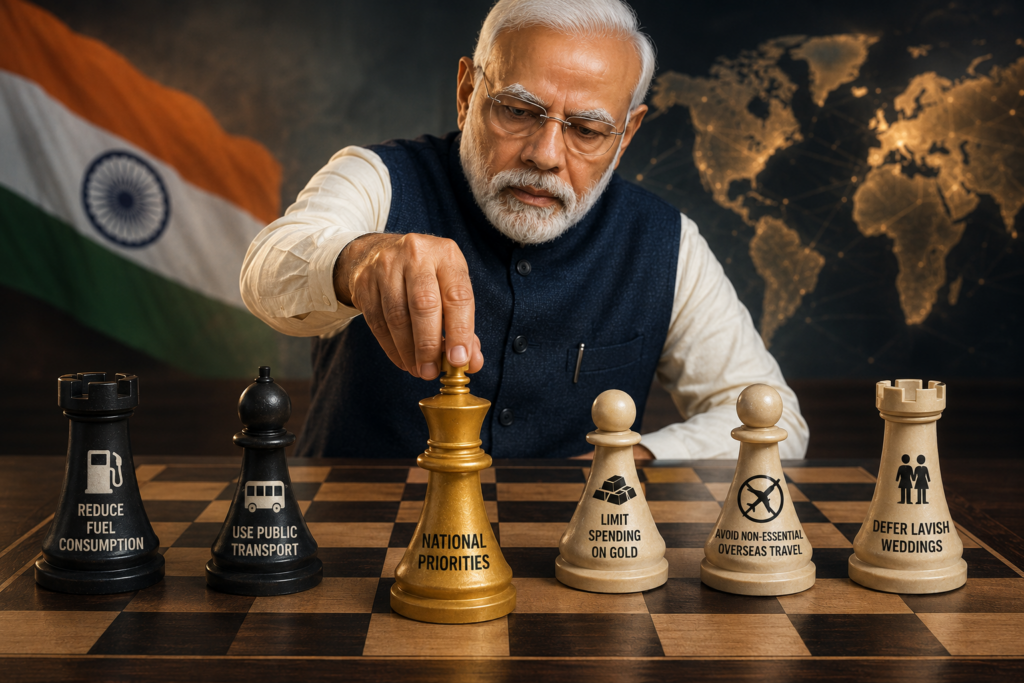
Addressing a public gathering in Secunderabad on May 10, the Prime Minister urged citizens to adopt austerity measures including curbing fuel consumption, using public transport, working from home, limiting gold purchases and deferring non-essential overseas travel and large-scale weddings for a year, citing pressure on foreign exchange reserves amid global uncertainty.
The Outbound Tour Operators Association of India (OTOAI) expressed strong support for the government’s intent, reiterating that national interest remains paramount during periods of global instability. However, the association also highlighted that tourism is often among the first sectors to be impacted in times of crisis and one of the last to recover.
While acknowledging the broader economic context behind the Prime Minister’s appeal, OTOAI raised concerns about the livelihoods of thousands of professionals dependent on outbound tourism, including tour operators, travel agents, and service providers. The association has initiated steps to seek an audience with the Prime Minister’s Office to present the industry’s concerns and explore a balanced path forward.
Vineet Gopal, Global Tourism and Hospitality Strategist and Executive Board Member at OTOAI noted that the industry has historically stood by national priorities during challenging times and would continue to act responsibly. At the same time, he emphasised that outbound travel today forms a significant economic ecosystem, supporting sectors such as aviation, education, trade, MICE, weddings and global business connectivity.
“Outbound travel is no longer a niche luxury. It supports employment for lakhs of people and plays a key role in strengthening international business and tourism ties,” Gopal said, adding that the current situation also presents an opportunity to strengthen India’s inbound tourism strategy. He pointed out that with the right push, inbound travel and MICE could emerge as major foreign exchange earners and help offset economic pressures.
Industry voices also highlighted the immediate ripple effects such an advisory could have across multiple segments. Sonia Vyas, Proprietor of Avyukt International said the Prime Minister’s suggestion could significantly influence consumer behaviour, particularly among middle- and upper-middle-class travellers who typically plan international trips around holidays, weddings, and celebrations.
“In the short term, we may see a decline in bookings to popular outbound destinations such as Thailand, Singapore, United Arab Emirates (UAE), and Switzerland, all of which rely heavily on Indian tourists,” she said. Vyas added that airlines, hotels, visa service providers, and companies involved in destination weddings could face reduced revenues, with small and medium-sized travel businesses being particularly vulnerable.
At the same time, she noted a potential upside for domestic tourism, with spending likely to shift towards local destinations, spiritual tourism, and regional luxury resorts. “There could be increased demand for domestic holidays and wedding venues within India, especially among budget-conscious travellers,” she said.
K. Vijay Mohan, Managing Director of Holiday World described the Prime Minister’s statement as a form of economic signalling aimed at influencing consumer behaviour rather than restricting travel outright.
“Even a modest shift in spending by high-net-worth and upper middle-class travellers can redirect significant capital into India’s tourism ecosystem,” he said. Mohan added that this could lead to increased demand for destinations such as Goa, Rajasthan, Kerala, and the Andaman and Nicobar Islands, benefiting domestic hospitality and wedding industries.
He also highlighted the potential macroeconomic impact, noting that India’s outbound tourism expenditure stood at an estimated $42 billion in 2025. “Even a 10–15 per cent shift towards domestic travel could result in substantial foreign exchange savings,” he said.
However, industry experts caution that the long-term impact will depend on how well domestic tourism offerings can match the experience, pricing, and infrastructure of international destinations. While the Prime Minister’s appeal aligns with broader initiatives such as promoting local consumption, stakeholders stress the need for a balanced approach that safeguards both national priorities and the sustainability of the travel ecosystem.