
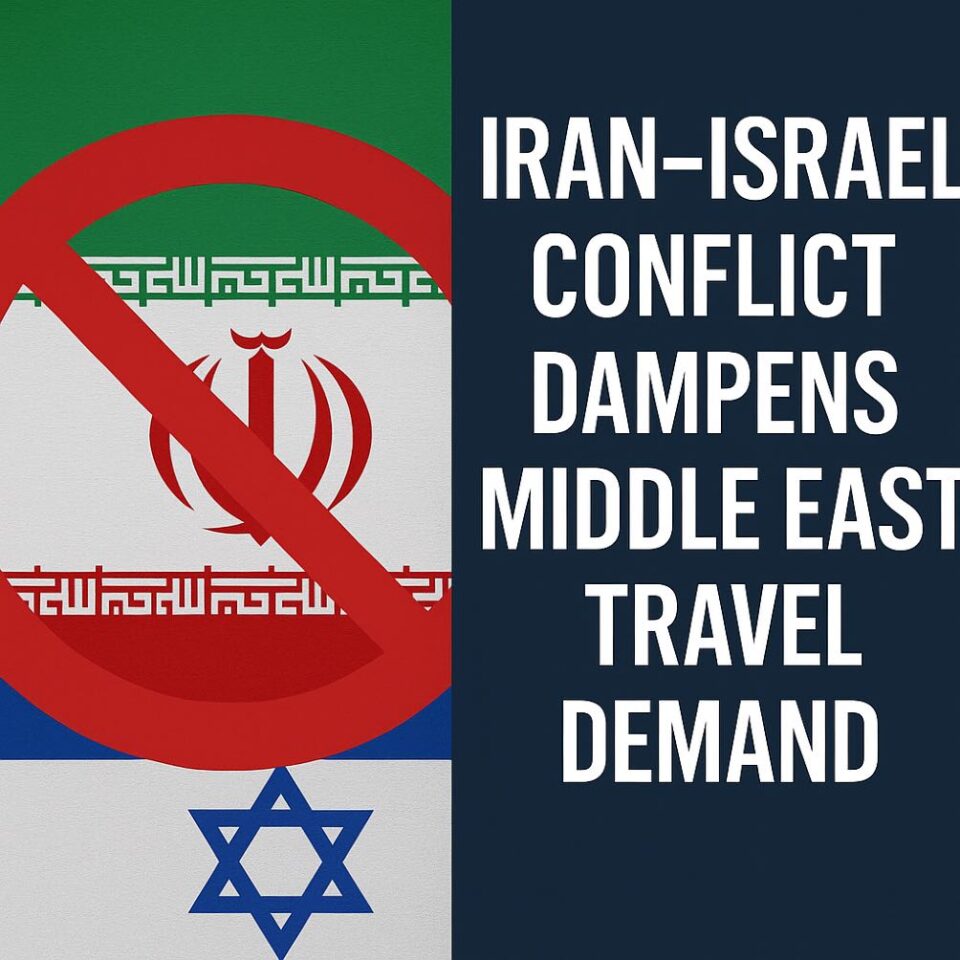
The ongoing geopolitical conflict between Iran and Israel is beginning to reshape outbound travel patterns from India, especially to the Middle East, with ripple effects extending to long-haul destinations like Europe and North America.
According to a large section of Indian travel consultants, while there is no mass cancellation of bookings yet, traveller sentiment is visibly shifting, driven by heightened concerns about safety, airspace restrictions and the reliability of flight schedules particularly via Gulf hubs.
Trishal Rao, Chief Sales Officer at SKIL highlighted that Indian travellers are growing increasingly cautious. “Dubai and other Gulf destinations remain popular, but we have seen a noticeable spike in security-related inquiries along with a few cancellations and delays especially for immediate departures. Travellers are hesitant to confirm new bookings and are choosing to wait until the situation stabilizes.”
Rao adds that although long-haul destinations such as Europe and North America have not seen major drops in demand, many passengers are avoiding transits through traditional Gulf hubs like Dubai, Doha and Abu Dhabi, opting instead for direct routes or Southeast Asian connections.
“The Iran-Israel conflict has cast a shadow over outbound travel to the Middle East, especially Dubai, which is traditionally a top choice for Indian travellers. We’ve seen a dip in new bookings and some postponements due to safety concerns and flight rerouting. While UAE remains safe, perception drives decisions. The uncertainty is already impacting traveller confidence and demand,” said Borris Zha, Founder and CEO of HappyEasyGo.
The closure of airspace by destinations like UAE and Qatar has affected airline operations as well. A number of flights to the region and beyond to markets like North America and Europe were cancelled as the conflict escalated.
These operational constraints are now feeding into traveler psychology. Rajat Sawhney, CEO of Rave Tours & Travels remarked, “With over 800 flights reportedly affected and multiple airspace closures, leisure travel to the Middle East is being postponed. Safety and peace of mind remain top priorities for holidaymakers.”
“In the first instance people will avoid Middle East carriers. Essential, business and student travel are happening on European carriers. Holiday makers have put their travel on hold and are waiting for the war to stop,” he added.
However, Riaz Munshi, Managing Director of NChirag emphasized that while flight reroutings and delays have occurred, particularly through Middle Eastern hubs, Indian travellers are demonstrating resilience.
“Travellers are flexible, they are adjusting routes or dates rather than cancelling trips altogether. We have been redirecting itineraries through alternate hubs such as Istanbul or European gateways to minimize disruption,” he shared.
Echoing a similar sentiment, Manoj Dass, CEO of Tern Voyages said the industry is prepared for short-term setbacks but expects a rebound once the conflict subsides.
“While we have not seen immediate large-scale cancellations, there is understandable concern among travellers. Many who had planned their holidays in the Gulf region are likely to postpone or reassess their travel plans until more positive and reassuring developments emerge from the region. But the tourism industry has always shown remarkable resilience in the face of geopolitical uncertainties. Once stability returns, we are confident that traveller confidence will gradually be restored. The Middle East remains a culturally rich and vibrant destination, and we remain hopeful that peace will prevail, allowing tourism to rebound stronger in the near future,” said Dass.
Airspace restrictions and conflict-related uncertainty have made Middle Eastern carriers a less preferred choice for Indian travellers, especially leisure and family segments.
Aditya Tyagi, Founder of Luxe Escape said, “Many of our clients are reconsidering plans to transit through the Gulf. Existing bookings remain intact, but fresh queries for destinations like Dubai, Almaty and South Africa have slowed. Instead, there is a shift towards European carriers like Lufthansa, KLM, Swiss Air and ITA Airways.”
Mosmi Koul, Chief Travel Evangelist at Travel Stuti, believes the impact is largely short-term. “Dubai is still perceived as relatively safe and distanced from the direct conflict zone. We saw a slight dip in bookings in the immediate aftermath, but demand is now stabilizing particularly for summer holidays. Corporate groups postponed some trips, but the market is showing signs of recovery,” said Koul.
“With airlines quickly adapting flight paths and issuing advisories, traveller confidence is gradually returning for future travel dates. Promotional offers from airlines and hotels are helping to revive confidence, although the situation could shift again if tensions escalate,” she concluded.