
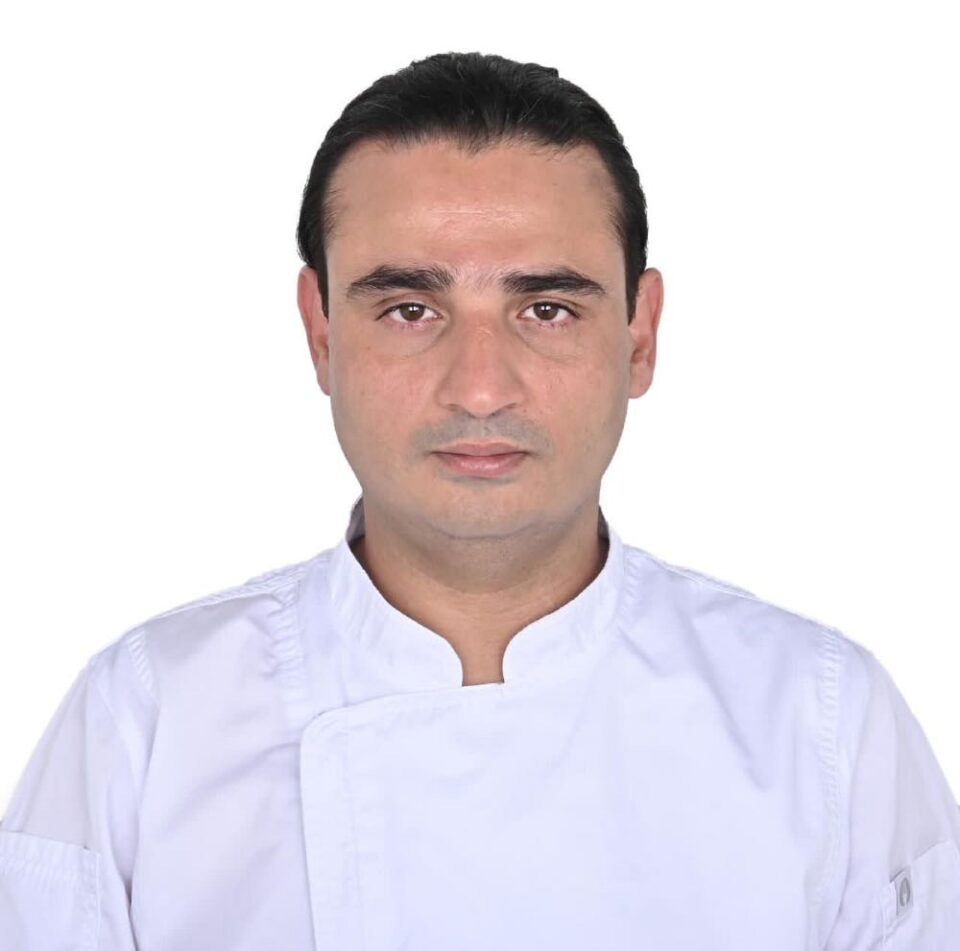
Chef Triptpal Gandhi is a modern Indian chef known for reinterpreting classical Indian flavours through contemporary techniques while preserving the essence of flavour memory. His international experience bridges tradition, innovation, sustainability, and a progressive culinary philosophy.
Here is an exclusive interview with Chef Triptpal Gandhi for TTI.
What inspired you to become a chef, and how did your culinary journey begin?
My Punjabi upbringing taught me that food is more than nourishment — it is identity, comfort, celebration, and connection. I was inspired early by flavours and their emotional impact, which drove me to understand and master the techniques behind them.
I was never motivated by conventional academics, but my instincts for observation, discipline, and creativity suited the kitchen far more than the classroom. What began as fascination soon became commitment.
My journey started even before formal college, through a voluntary internship at a restaurant called The Ship in Wandsworth, London. That hands-on experience marked my first exposure to a real professional kitchen environment — speed, hierarchy, cleanliness, consistency, and the seriousness of hospitality as a global industry. This immersion shaped my understanding of professional standards and confirmed that cooking was not a hobby for me, but a vocation.
Building on that foundation, I pursued formal training at IHM Aurangabad, carrying that early discipline into everything that followed.
My style combines modern Indian sensibility with global techniques. I focus on high-quality ingredients and bold flavours, presented through clean, contemporary plating with striking contrasts in temperature and texture. The result is a balance of nostalgia and surprise.
Creatively, I am not built to repeat a single style for years. That restlessness has pushed me to keep learning — and over time, it has become a defining strength. I look at cuisine the way some people look at design: you respect the original purpose, but refine the form, sharpen the execution, and make it relevant to today’s world.
Several chefs and philosophies have shaped how I think. Grant Achatz influenced my understanding of narrative and experience. Chef Sujan Sarkar helped define what “modern Indian” can mean globally without losing its soul. René Redzepi reshaped my understanding of fermentation, time, and flavour depth. Douglas McMaster’s sustainability-first vision pushed me to think beyond the plate and into the kitchen ecosystem. Josh Niland’s ingredient-led approach — respecting the entire product and reducing waste through creativity — has also stayed with me.
My goal has never been to imitate one influence, but to merge these ideas into a personal language: modern technique, Indian memory, and disciplined clarity.
What have been the biggest challenges in your career so far, and how have you overcome them?
One of my biggest challenges was stepping into leadership responsibilities earlier than expected. Transitioning from being a technically strong chef to leading people, shaping culture, maintaining standards, and making real-time decisions during service requires an entirely different skill set. It demands emotional maturity, consistency under pressure, and accountability — especially when mistakes are costly.
Another challenge was defining my professional identity on a global stage. Earning credibility across different kitchens and cultures takes patience, mentorship, and repeated proof of work.
Working under the guidance of Chef Sujan Sarkar played a defining role in this process. His mentorship sharpened my standards, aligned creativity with discipline, and gave me clarity on building a modern Indian narrative that can stand confidently in the global fine-dining space.
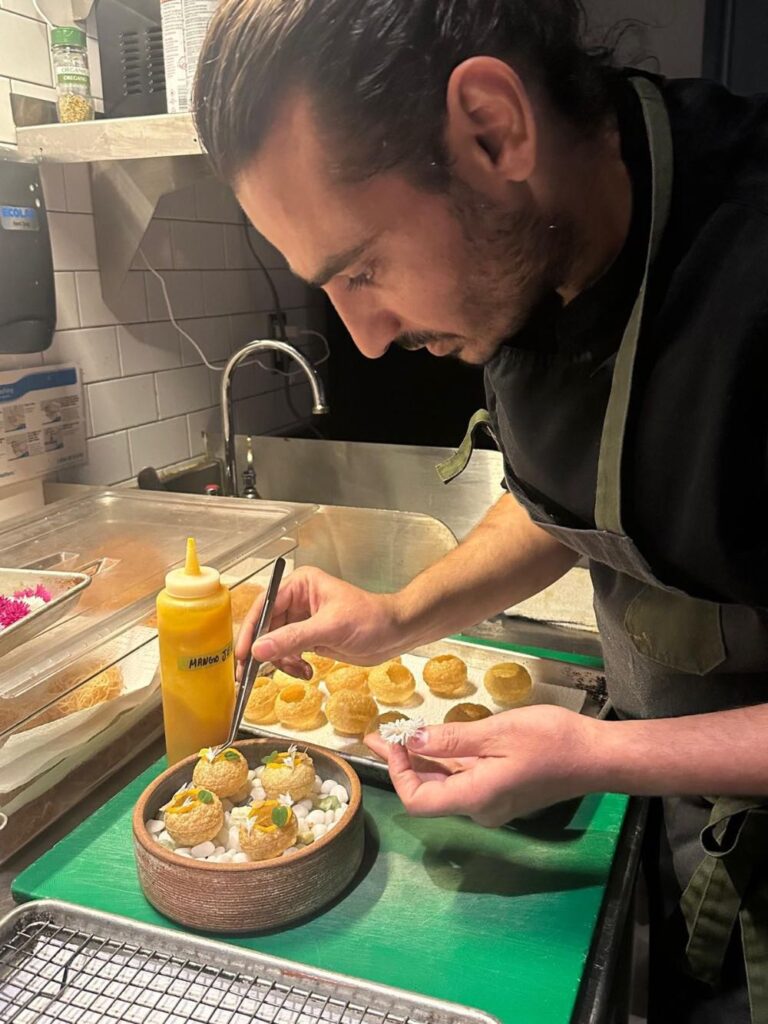
Which dish or menu creation are you most proud of, and what’s the story behind it?
One dish closest to my heart is Dahi Bhalla Pastry — not because it is the most technically complex creation, but because it marks the moment my modern Indian thinking truly began. I first conceptualised it in 2014 at Tresind. The idea stayed with me for years because it captured something essential: transforming a dish rooted in memory into something new without losing its emotional identity. I finally executed it in 2021 at ROOH New Delhi, and that long journey reflects how I work — patiently, iteratively, and with seriousness about balance.
I am also proud of MIOM – Microscopic Interpretation of Milk, which emerged from my curiosity about dairy at a micro-structural level — how milk behaves, ferments, aerates, and transforms through different techniques. It turned a familiar ingredient into an exploration of science, texture, and perception while remaining culturally grounded.
Another experimental creation was an edible “bone” made using bone paste, marzipan-like techniques, and dehydration. This was not about shock value, but about structure, transformation, and craft — creating something sculptural yet edible and meaningful. These works reflect my approach: culinary creation as a blend of culture, technique, and disciplined imagination.
How do you balance staying true to your culinary roots while innovating for today’s diners?
For me, tradition and innovation are not opposites — they exist in constant dialogue. I often cook traditional and modern food simultaneously, sometimes within the same dish. When preparing a classic recipe, my hands follow tradition, while my mind studies structure — flavour behaviour, essential elements, and where modern technique can enhance texture, temperature, or presentation without compromising the soul.
Innovation becomes meaningful only when it respects flavour memory. Indian cuisine is deeply emotional, carrying family history, geography, and identity. Innovate without respect, and you create novelty without authenticity. My approach is to preserve emotional truth first, then reinterpret form. I cook tradition with my hands and modernity with my imagination — and both sharpen each other continuously.
What trends do you see shaping the future of food and hospitality?
Several movements will coexist and mature rather than remain experimental.
In food:
- Sustainable kitchen ecosystems will emerge where staff wellbeing, economics, guest experience, and ingredient ethics are intentionally balanced — not marketed.
- Carbon-footprint-driven menus will become standard.
- Ingredient- and animal-driven tasting menus will gain prominence, emphasising product integrity and minimal waste.
- Luxury will shift from expensive signalling ingredients to humble produce executed with high creativity and technique.
- AI will play a meaningful role in optimisation and mass production, but experiential fine dining will remain deeply human, driven by emotion and storytelling.
In hospitality:
- Warmth and sincerity will replace overly scripted luxury.
- Sustainability-led hotel models will outperform traditional luxury.
- Asian service philosophies — precision, humility, and dignity — will increasingly influence Western hospitality.
- Communal dining will grow as people seek shared experiences.
- Hotels will develop specialised destination restaurants rather than generic concepts, as culinary identity becomes a key travel differentiator.
What advice would you give to young chefs aspiring to make their mark?
Stop chasing recognition and start chasing mastery. Build your career on craft, not speed or awards. Learn techniques deeply, understand classical foundations, and practise discipline until excellence becomes instinctive.
Cook with the discipline of a line cook and think creatively. Master repetition to achieve precision, and let innovation emerge naturally from confidence and respect for the craft.
If you stay honest with the work, your reputation will follow as a by-product — and the mark you leave will be real, not manufactured.